


Are Charm Necklaces Still in Style in 2026? (Trend Forecast & Guide)
Are charm necklaces still in style in 2026? Discover the 2026 trend forecast, from modular designs to mixed metals. Read our expert guide and style yours today!

Table of Contents
- The Shift to Personal Narratives
- Metallurgy and Durability: The Rise of 316L
- Mixed Metals: Breaking the Rules
- The Bohemian Revival vs. Quiet Luxury
- Sustainability and Materials
- B2B Trends: Sourcing High-Quality Inventory
- Maintenance and Lifecycle of Modern Charms
- Styling the 2026 Wrist and Neckscape
- FAQ Section
- Final Summary of 2026 Trends
Fashion moves in cycles, but some items transcend temporary fads to become permanent fixtures in a wardrobe. What was once considered a nostalgic relic of the early 2000s has transformed into a sophisticated staple for 2026. Charm necklaces are not merely “back” in style; they have undergone a fundamental evolution. In the current market, the trend focuses on technical durability, personal storytelling, and metallurgical integrity. This forecast examines why charm jewelry remains a dominant force in the global accessory market and how material science has changed the way we wear these pieces.
The Shift to Personal Narratives
The 2026 jewelry landscape rejects mass-produced, identical designs. Consumers now prioritize “narrative jewelry,” where every element serves a specific purpose. A charm necklace serves as a physical timeline of a wearer’s life. Unlike a static pendant, which remains unchanged, a charm necklace is dynamic. It grows as the wearer adds new symbols, reflecting travel, relationships, or personal achievements.
The Rise of Modular Design
Modern charm necklaces utilize modular links. This allows users to swap charms without specialized tools. Brands are moving away from permanent soldering toward high-tension carabiner clasps and spring-loaded rings. This technical shift makes jewelry interactive. When a consumer can change their look in seconds, the value of the base chain increases.
Identity and Symbols
Charms in 2026 are more than just “cute” shapes. They represent specific milestones, digital identities, and even architectural interests. According to the History of Amulets , humans have used wearable symbols for protection for millennia. In 2026, this translates into custom-engraved coordinates, zodiac signs, and kinetic components that rotate or open.
| Trend Element | 2006 Style | 2026 Style | |
|---|---|---|---|
| Material | Plastic or cheap alloy | 316L Stainless Steel / Titanium | |
| Attachment | Jump rings | Carabiners / Modular Clasps | |
| Aesthetic | Maximalist / Cluttered | Curated / Purposeful | |
| Plating | Flash gold (fades) | PVD Vacuum Plating |
Digital Integration
Some charms now feature laser-etched QR codes or NFC chips. These “smart charms” link to digital portfolios or private social media memories. While the exterior looks like a traditional vintage charm necklace , the internal value is high-tech. This fusion of the physical and digital is a hallmark of the 2026 accessory market.

Metallurgy and Durability: The Rise of 316L
The “disposable fashion” era is effectively over. Wearers demand jewelry that survives daily activity, from gym sessions to oceanic travel. This demand has led to a massive pivot toward 316L stainless steel. This material, often called surgical-grade steel, provides the perfect balance of weight, resistance, and skin safety.
Why 316L Dominates the Market
316L stainless steel contains molybdenum. This element increases corrosion resistance, especially against sweat and salt water. Traditional fashion jewelry often uses zinc alloys that react with skin chemistry to turn the skin green. 316L is biologically inert and hypoallergenic, making it the preferred choice for long-term wear.
Expert Recommendation: You can explore the technical benefits of this material in our stainless steel jewelry collection , which sets the 2026 standard for non-tarnish performance.
PVD Coating Technology
Physical Vapor Deposition (PVD) has replaced traditional electroplating as the industry gold standard. In a vacuum chamber, a thin layer of titanium nitride or gold is bonded to the steel at a molecular level. This creates a finish that is ten times harder than standard plating. It does not chip, peel, or flake, even under heavy usage.
The Chrome Oxide Layer
Stainless steel forms a self-healing layer of chromium oxide. If the surface is scratched, the oxide layer reforms instantly when exposed to oxygen. This prevents rust from reaching the core of the charm. This chemical property ensures that 316L steel survives harsh daily environments that would destroy silver or brass.
Mixed Metals: Breaking the Rules
The old fashion rule stated you should never mix gold and silver tones. In 2026, that rule is obsolete. Mixed metal charm necklaces are the primary way designers create visual depth.
Gold and Steel Contrast
The most popular 2026 combinations involve a heavy 316L steel chain paired with 18K PVD gold charms. This “high-low” contrast makes the jewelry versatile. It matches any outfit, regardless of the hardware on your handbag or shoes. Furthermore, it allows a consumer to build their collection slowly, mixing different metals as they acquire new charms.
Textural Layering
Designers are mixing polished finishes with brushed or hammered textures. A polished gold star next to a matte steel moon creates a sophisticated look. This trend is heavily influenced by Industrial Design principles, where functionality meets aesthetics.
| Metal Type | Durability Score | Skin Safety | Color Longevity | |
|---|---|---|---|---|
| Silver Plated | Low | Medium | 3-6 Months | |
| 925 Sterling | Medium | High | Permanent (Tarnishes) | |
| 316L PVD Gold | High | High | 2+ Years | |
| Zinc Alloy | Very Low | Low | 1 Month |
Visual Balance
When mixing metals, designers suggest a 70/30 ratio. Seventy percent of the necklace should be a “base” metal (like steel), while thirty percent provides the “accent” (like gold). This prevents the look from appearing accidental or messy. Consistency in the clasp style helps unify the disparate metal tones.

The Bohemian Revival vs. Quiet Luxury
2026 sees a split in how charm necklaces are styled. Two distinct aesthetics have emerged: “Neo-Bohemian” and “Quiet Luxury.”
The Neo-Bohemian Aesthetic
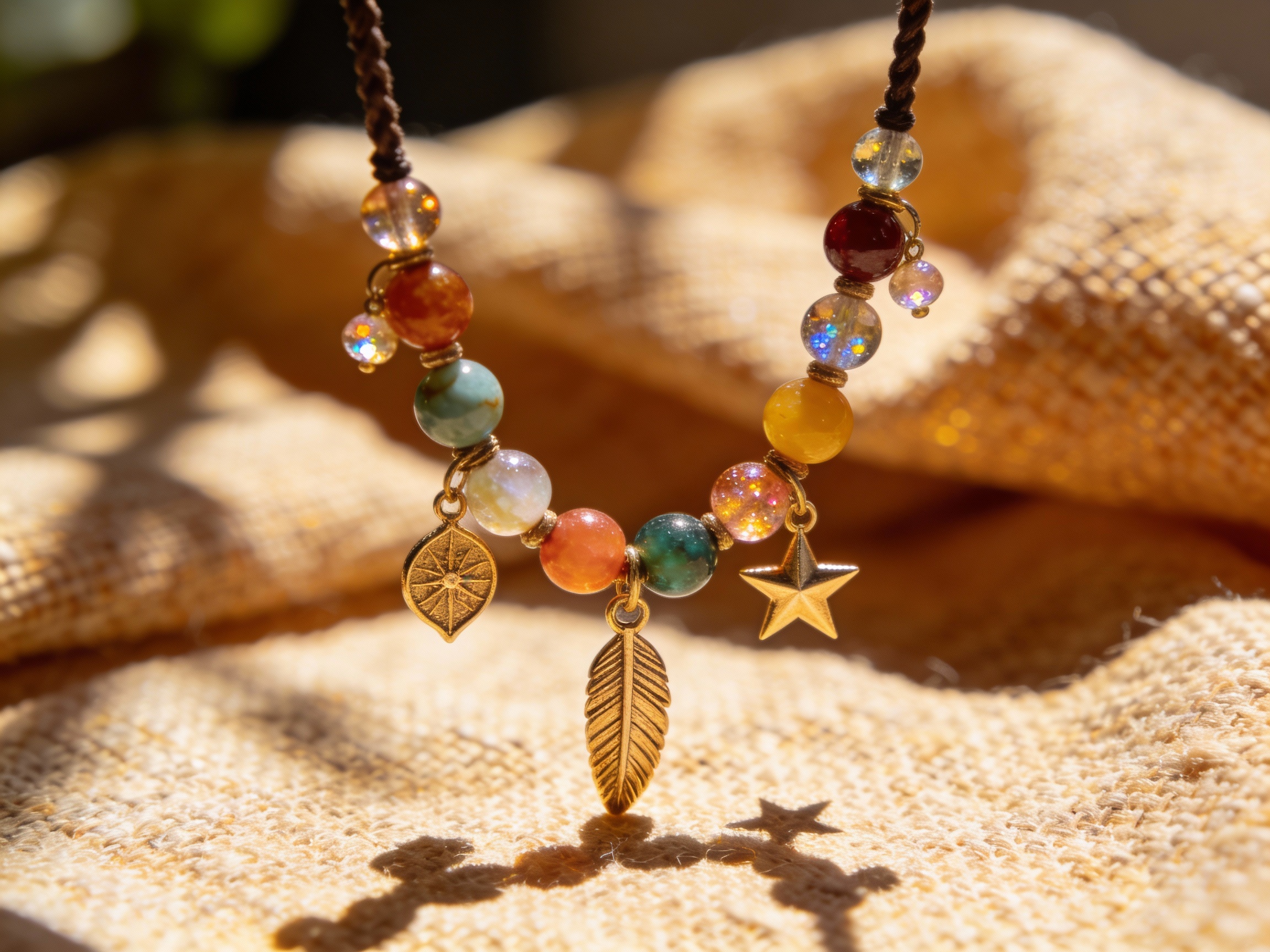
This style uses eclectic, oversized charms. It often incorporates natural stones, shells, and recycled glass. The bohemian beaded necklace trend uses leather cords or heavy-link chains. It is a “more is more” approach that celebrates travel and personal artistry.
Quiet Luxury and Minimalism
On the opposite end, Quiet Luxury charms are tiny and geometric. A single, micro-sized charm on a delicate snake chain is the ultimate 2026 status symbol. It suggests the wearer doesn’t need to shout to be noticed. The charms are often solid 316L steel with a high-mirror polish, emphasizing form over flash.
Choosing Your Style
- Neo-Bohemian: Best for weekend wear, festivals, and creative environments. Pair with linen or denim.
- Quiet Luxury: Best for the office, formal events, and capsule wardrobes. Pair with structured blazers or silk.

Sustainability and Materials
Sustainability is a baseline manufacturing requirement in 2026. The origin of your jewelry matters as much as its appearance. Consumers are increasingly checking the DG Jewelry blog for updates on ethical sourcing and manufacturing practices.
Recycled Steel
Stainless steel is one of the most recycled materials on earth. Most 316L jewelry in 2026 is made from upcycled industrial scrap. This reduces the need for destructive mining. Unlike gold mining, which uses toxic chemicals like mercury and cyanide, steel production is increasingly powered by renewable energy.
Ethical Sourcing
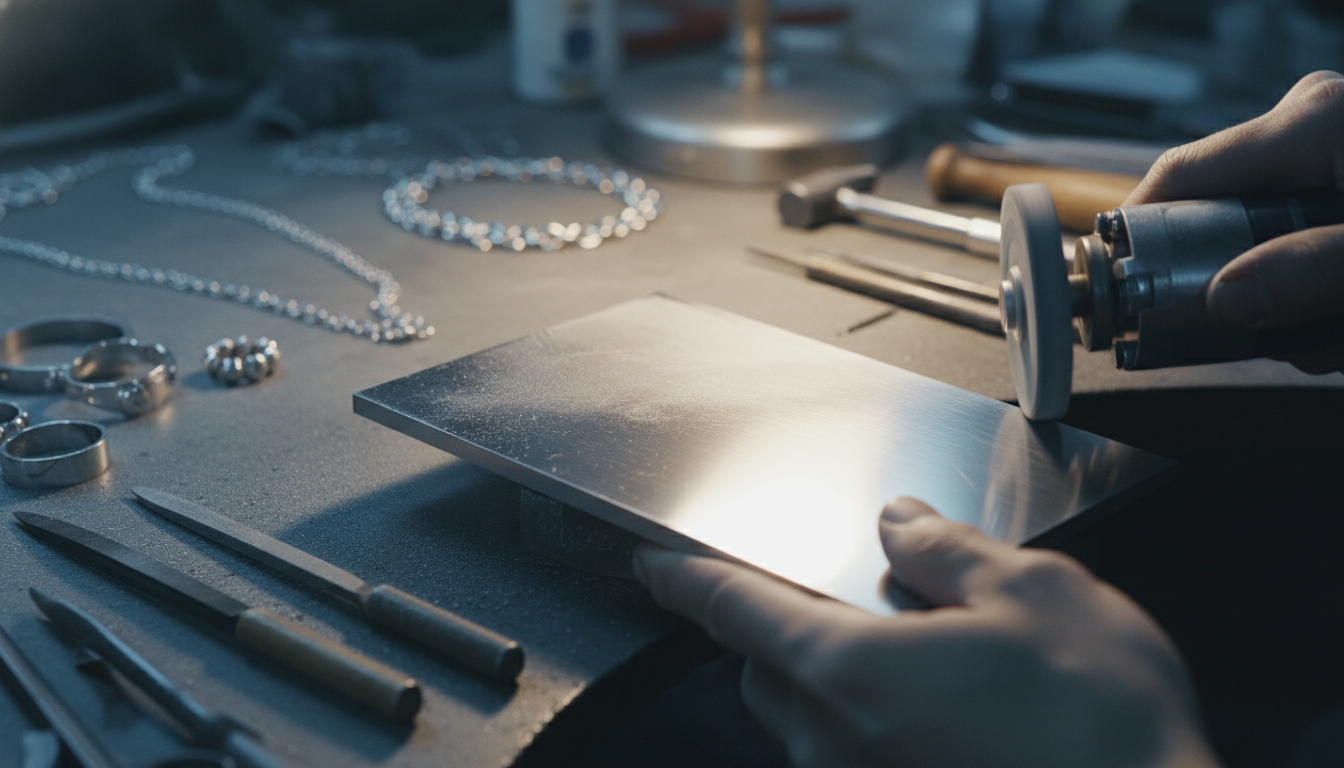
Retailers are now required to show Responsible Jewellery Council (RJC) audits. This ensures that no forced labor was used in the crafting process . Transparency is no longer optional; it is a competitive advantage.
Longevity as Sustainability
The most sustainable product is one you do not have to replace. Because 316L stainless steel doesn’t tarnish or rust, these necklaces stay out of landfills. A single high-quality charm necklace can last for decades, reducing the overall carbon footprint of your wardrobe compared to buying frequent “fast fashion” replacements.

B2B Trends: Sourcing High-Quality Inventory
For jewelry brands and retail owners, 2026 is a year of precision sourcing. The market is saturated with low-quality replicas, making it vital to find reliable partners who understand the technical requirements of modern jewelry.
Identifying Reliable Manufacturers
A professional manufacturer should provide:
- Material Reports: Evidence that the steel is true 316L grade, not a lower 304 grade.
- PVD Thickness Specs: Coatings should be at least 0.3 to 1.0 microns thick for jewelry applications.
- Design Flexibility: The ability to create custom, proprietary charms with low Minimum Order Quantities (MOQs).
Inventory Management
Successful 2026 retailers are stocking “Base Chains” and “Charms” separately. This allows customers to build their own necklaces in-store. This interactive shopping experience increases customer dwell time and average order value. It transforms a simple purchase into a creative session.
Display and Presentation
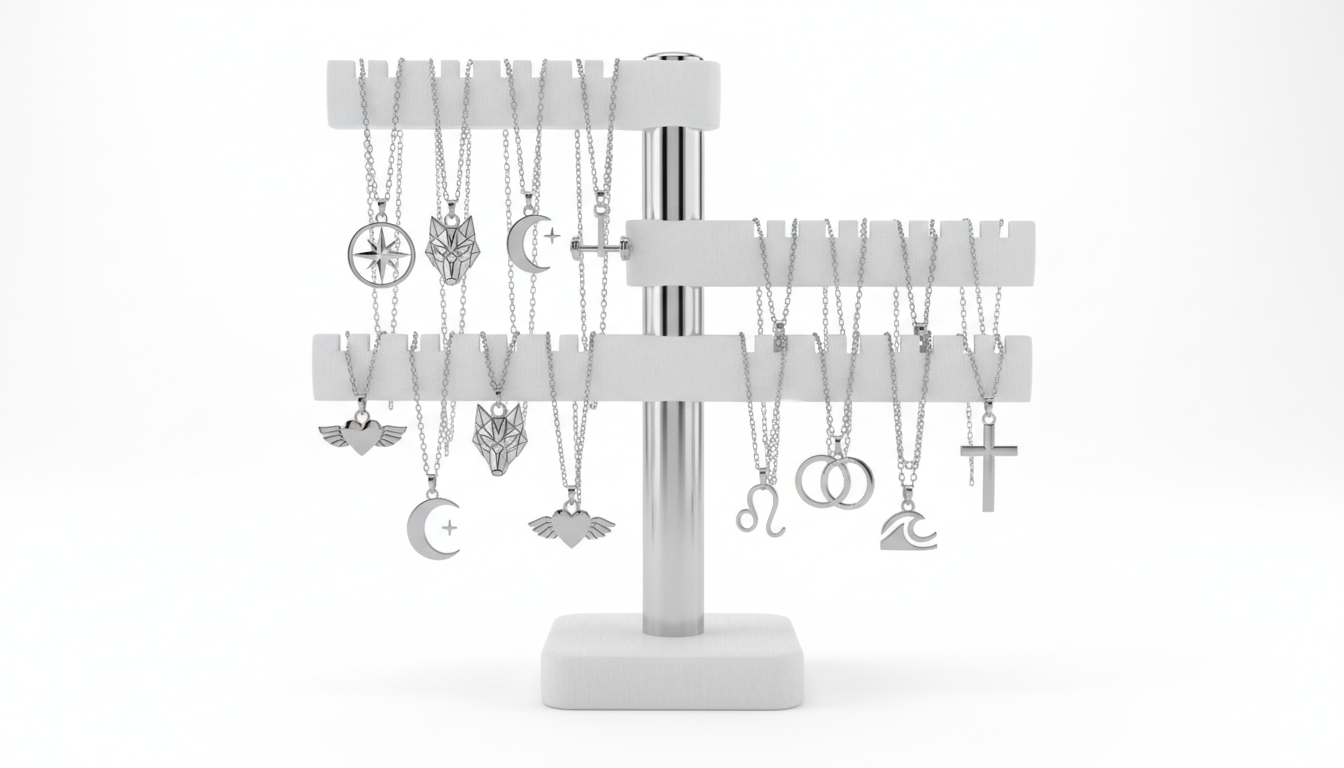
In 2026, professional display stands focus on lighting. PVD gold looks its best under 3000K warm LED lights, while polished steel shines under 5000K cool lights. Using modular trays makes it easy for staff to show various combinations to buyers.
Maintenance and Lifecycle of Modern Charms
Even high-performance 316L steel requires basic care to maintain its 2026 luster. Understanding the science of cleaning prevents damage to PVD coatings and ensures the longevity of the piece.
Daily Care Routine
316L steel is “waterproof,” but it isn’t “chemical-proof.” Exposure to harsh chlorine or acidic perfumes can eventually dull the PVD finish. Users should rinse their necklaces with fresh water after swimming in the ocean or a pool. This removes salt and chemical deposits that might cause surface clouding.
Cleaning Techniques
To clean a charm with high-detail crevices:
- Use mild dish soap and warm water.
- Scrub gently with a soft-bristle toothbrush to reach detailed areas.
- Dry with a lint-free microfiber cloth to prevent water spots.
- Avoid ultrasonic cleaners for charms with glued-in stones or delicate enamel, as the vibrations can loosen adhesives.
| Cleaning Method | Safe for 316L? | Safe for PVD Gold? | Safe for Stones? | |
|---|---|---|---|---|
| Soap & Water | Yes | Yes | Yes | |
| Polishing Cloth | Yes | Yes | Yes | |
| Baking Soda | Yes | No (Too abrasive) | No | |
| Ultrasonic | Yes | Yes | No (May loosen) |
Storage Solutions
Store charm necklaces hanging up whenever possible. If they are tossed in a pile, the charms will scratch each other over time. Use a dedicated jewelry wall display or a partitioned box. Proper storage prevents tangles and surface micro-scratches, preserving the mirror polish finish.
Styling the 2026 Wrist and Neckscape
How you wear your charm necklace in 2026 is just as important as what it is made of. The trend has shifted from single-strand wear to complex “stacking,” creating what stylists call the “Neckscape.”
The 2-Inch Rule
When layering charm necklaces, leave 2 inches of space between each chain. This prevents the charms from clashing and getting tangled. Start with a 14-inch choker and add an 18-inch charm necklace as the centerpiece. The varied lengths allow each charm to be visible.
Proportional Balance
If your charms are large and “maximalist,” keep the rest of your jewelry simple. Pair a bold charm necklace with simple 316L stud earrings . If your charms are minimalist, you can stack multiple necklaces and rings without overwhelming your look.
Occasion Styling
- Casual: A long 24-inch chain with 3-5 charms over a turtleneck or basic tee.
- Formal: A short 16-inch snake chain with a single, high-polish architectural charm.
- Active: A 316L steel cable chain with small, rounded charms that won’t snag on clothing.
FAQ Section
Q: Will my charm necklace turn my neck green in 2026? A: No, provided it is made of 316L stainless steel. The green skin reaction is caused by copper oxidation in cheap alloys. 316L contains no copper and is hypoallergenic.
Q: Can I wear my charm necklace in the shower? A: Yes. 316L stainless steel with PVD coating is highly resistant to water. However, avoid harsh soaps that might leave a film on the metal.
Q: How many charms are “too many”? A: In 2026, there is no limit for the Neo-Bohemian style. For a professional or “Quiet Luxury” look, stick to 1 to 3 curated charms.
Q: What is the best chain for heavy charms? A: A rolo chain or a thick cable chain is best. These chains have strong, interconnected links that can support the weight without stretching.
Q: Is PVD gold real gold? A: PVD gold uses real 18K or 24K gold that is vaporized and bonded to the steel. It looks identical to solid gold but is much more durable.
Final Summary of 2026 Trends
Charm necklaces in 2026 are more than just a trend; they are a sophisticated fusion of personal history and material science. By choosing high-quality 316L stainless steel and PVD coatings, wearers ensure their stories remain vibrant and durable for a lifetime. Whether you prefer the eclectic energy of a bohemian stack or the refined silence of minimalism, the charm necklace remains the ultimate tool for self-expression in the modern age.