


Stainless Steel Jewelry: 7 Stunning 2026 French Trends
Explore stainless steel jewelry trends in the French market in 2026. Discover 7 stunning styles from stacking to eco-chic. Shop the best Parisian looks today!

Table of Contents
- The Art of the “Effortless Stack”
- Bold Chunky Chains and Industrial Chic
- Geometric Minimalism and Sculptural Forms
- Vintage Textures and the 70s Resurgence
- Mixed Metals: Breaking the Rules
- Hypoallergenic and “Life-Proof” Jewelry
- 7. Sustainable Sourcing and the Circular Economy
- Technical Comparison: Why 316L Wins in France
- Strategic B2B Insights for 2026
- FAQ
French fashion currently stands at a major crossroads. While Paris remains the global capital of high-end luxury, the average French consumer now demands “democratized luxury.” This means shoppers want the sophisticated look of fine jewelry without the extreme price tag of solid gold. Consequently, the stainless steel jewelry trends in the French market in 2026 focus on three things: durability, sustainability, and effortless chic style.
Actually, the shift toward stainless steel is not just a budget choice. Because this metal is incredibly tough and 100% recyclable, it perfectly fits the modern French lifestyle. Shoppers in cities like Lyon and Bordeaux now prioritize pieces that survive a busy day at the office, a workout at the gym, and a late-night dinner. Instead of fragile metals that tarnish, they choose 316L surgical steel . This guide explores the seven biggest trends defining the French jewelry landscape in 2026.
The Art of the “Effortless Stack”
French influencers are currently obsessed with the “stacking” trend. Instead of wearing one statement piece, they layer multiple thin necklaces and rings to create a personalized look. Moreover, stainless steel is the perfect medium for this because it is lightweight and comfortable for all-day wear.
Because the French aesthetic leans toward “undone elegance,” these stacks often mix different textures. You might see a high-polish minimalist jewelry piece paired with a more rugged, hammered band. Actually, the goal is to look like you threw the pieces on without thinking, even though the combination is perfectly balanced. This trend allows consumers to build a “jewelry wardrobe” over time, adding new pieces to their stack for every life milestone.
Bold Chunky Chains and Industrial Chic
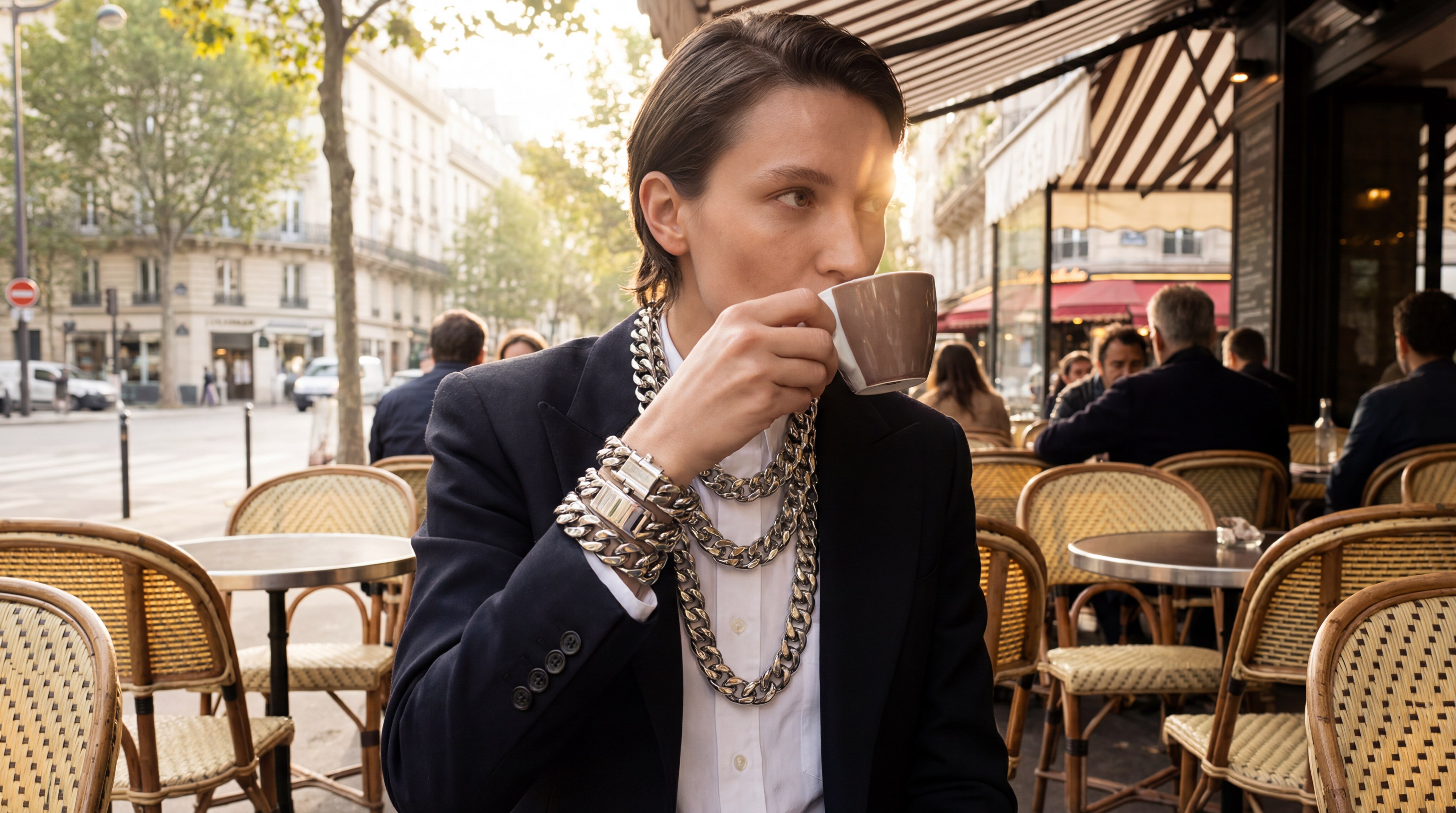
While minimalism remains a staple, 2026 is also seeing a massive rise in industrial-inspired chunky chains . French designers are reimagining heavy links into feminine, wearable art. However, unlike heavy brass chains of the past, stainless steel links are much more durable.
Consequently, these bold pieces are becoming the go-to accessory for the “Parisian Power Suit” look. Because the metal is so strong, manufacturers can create oversized links that are hollow and light. Instead of dragging down the neck, these necklaces offer a bold visual impact with zero discomfort. Similarly, chunky steel bracelets are replacing traditional leather bands in the men’s and unisex markets across France.
Geometric Minimalism and Sculptural Forms
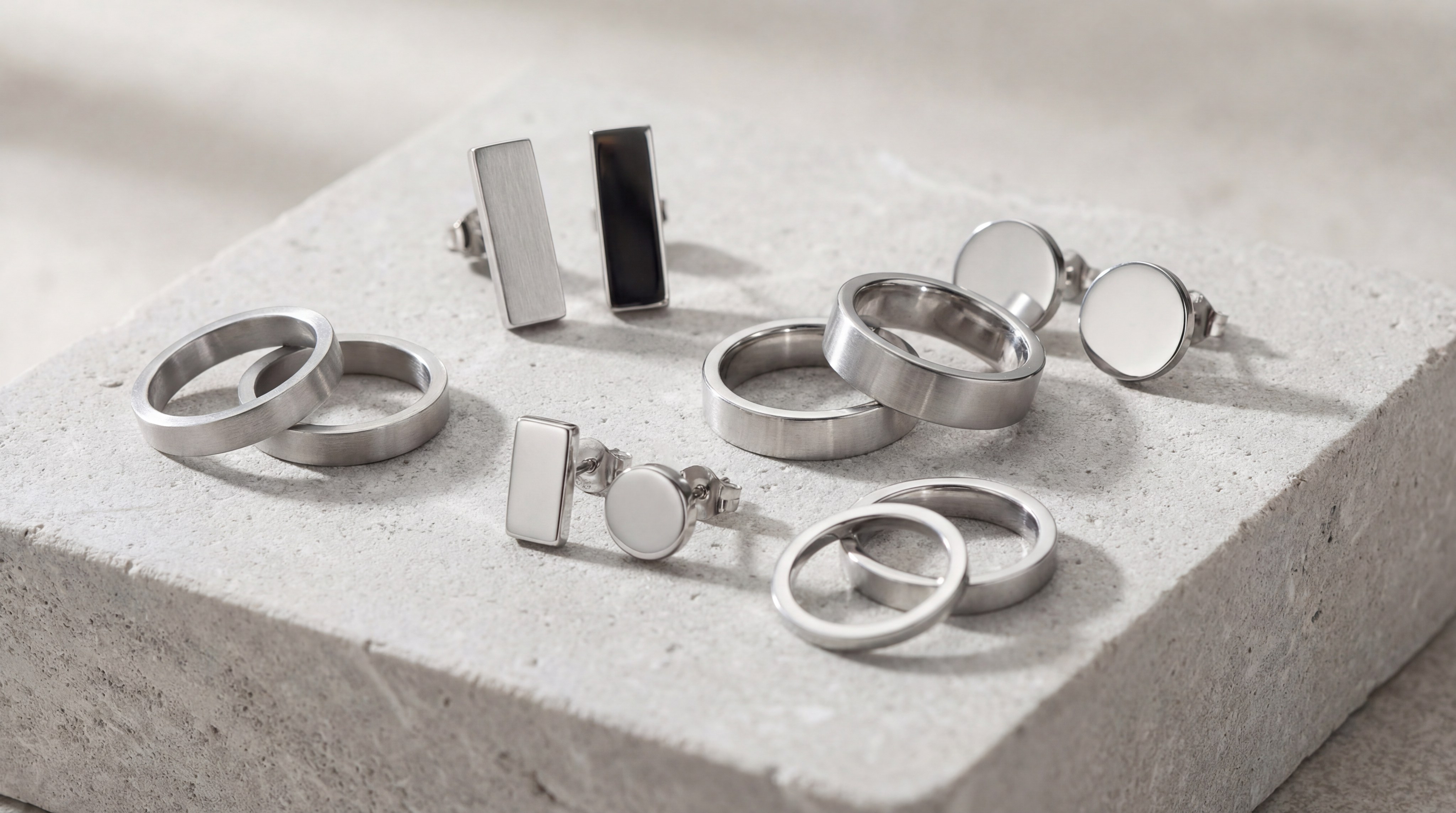
Architecture often influences French design, and 2026 is no exception. We are seeing a huge demand for geometric shapes—perfect circles, sharp triangles, and clean rectangles. Actually, many of these designs use Physical Vapor Deposition (PVD) to achieve a deep, mirror-like gold finish.
Moreover, technological advances like 3D metal printing allow for “liquid metal” shapes that look like melting silver. These sculptural forms catch the light beautifully during a walk along the Seine. Because the French market values unique artistic expression, these “jewelry-as-sculpture” pieces are high-intent items for boutique retailers.
Vintage Textures and the 70s Resurgence
French fashion often looks to the past for inspiration. In 2026, the 1970s are making a massive comeback in the form of textured steel. Instead of smooth surfaces, designers use “brushed,” “sandblasted,” or “satin” finishes.
Because these textures hide scratches exceptionally well, they are perfect for daily-wear rings and cuffs. Actually, the warm tones of gold-plated stainless steel pair beautifully with these vintage textures. This creates a nostalgic, “heirloom” feel that appeals to younger generations who value heritage and storytelling in their fashion choices.
Mixed Metals: Breaking the Rules
For a long time, the fashion rule in France was to never mix gold and silver tones. However, in 2026, those rules are gone. Actually, the most stylish consumers are purposely mixing silver-toned steel with gold PVD-coated pieces.
Similarly, many stainless steel jewelry manufacturers are now producing “two-tone” items. Because steel can be polished to different shades, a single necklace might feature both gunmetal and champagne gold links. Instead of clashing, this creates a rich, layered look that adds depth to any outfit.
Hypoallergenic and “Life-Proof” Jewelry
One of the biggest drivers for the French market is the focus on health and skin safety. Because many people have nickel allergies, they strictly look for hypoallergenic materials. Actually, 316L stainless steel is the gold standard for safety in the EU.
Moreover, French consumers want “waterproof” jewelry. They want to swim in the Mediterranean or shower without worrying about their jewelry turning green. Consequently, the longevity of 316L and 304 steel is a top selling point. Instead of “costume” jewelry that lasts a month, they view steel as a “demi-fine” investment that lasts for years.
7. Sustainable Sourcing and the Circular Economy
Sustainability is no longer an option in France; it is a requirement. Because stainless steel is the most recycled material on earth, it perfectly fits the circular economy model.
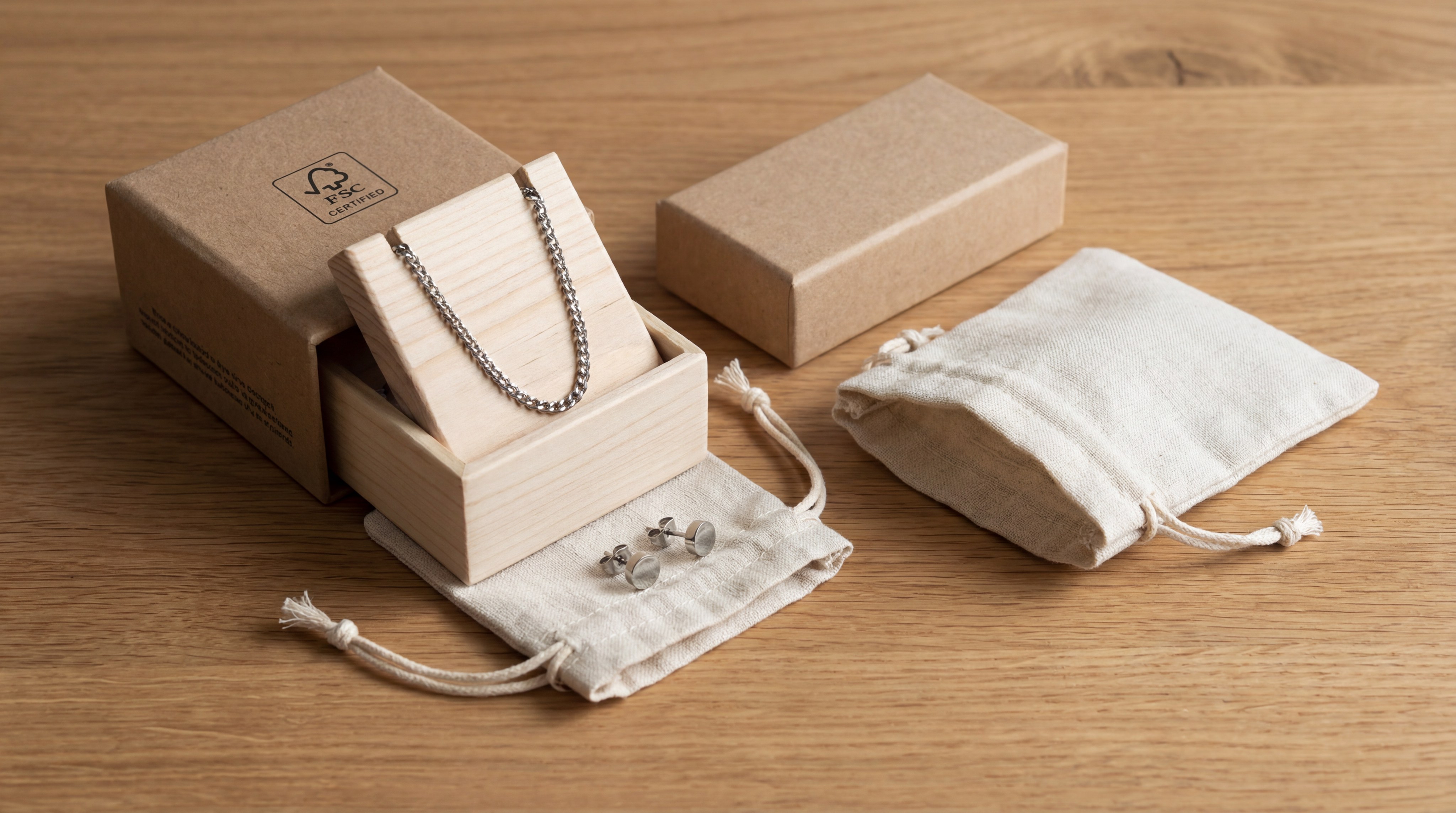
Actually, many French boutiques now market their steel jewelry as “eco-chic.” Instead of using plastic, they use biodegradable or FSC-certified packaging. Furthermore, consumers increasingly ask for REACH compliance to ensure their jewelry is free from harmful chemicals. This green shift is a major reason why steel is outperforming silver in the mid-range market.
Technical Comparison: Why 316L Wins in France
When sourcing for the French market, choosing the right grade of steel is critical for business success.
| Feature | 304 Stainless Steel | 316L Stainless Steel | |
|---|---|---|---|
| Corrosion Resistance | Moderate | High (Marine Grade) | |
| Allergy Safety | Good | Excellent (Hypoallergenic) | |
| Durability | High | Superior | |
| French Market Usage | Budget-friendly retail | Premium/High-end boutiques | |
| Moisture Resistance | Basic | Waterproof / Tarnish-free |
Actually, 316L is preferred because it contains molybdenum. This element protects the metal from salt water and sweat. Consequently, if you are selling to customers in coastal cities like Nice or Marseille, 316L is the only viable option. Moreover, it ensures the jewelry remains nickel-free , which is vital for the growing children’s jewelry niche in France.
Strategic B2B Insights for 2026
If you are a retailer or brand owner looking to enter the French market, you must understand the local aesthetic. Actually, the “French Look” is much more delicate than the 2026 German steel trends , which often focus on bolder, more industrial architectural designs.
- Focus on Finish: Ensure your silver jewelry alternatives have a high-mirror polish. French buyers equate “shine” with “quality.”
- Customization is Key: Use brass jewelry manufacturing techniques mixed with steel for custom-designed charms and pendants.
- Emphasize Waterproofing: Because “sweat-proof” and “tarnish-free” are high-intent search terms in France, make these the center of your marketing.
FAQ
1. Why is stainless steel jewelry becoming more popular than silver in France? Actually, the main reason is durability. Because silver oxidizes and turns black over time, it requires constant cleaning. Instead, stainless steel is “set and forget.” Moreover, steel offers better margins for retailers while remaining affordable for the consumer.
2. Is stainless steel jewelry safe for sensitive skin? Actually, yes, provided you use 316L surgical grade. Because this grade of steel is used for medical implants, it is designed to be in contact with the body for long periods. Consequently, it is the best choice for anyone with a nickel allergy.
3. Does the gold plating on stainless steel last? Actually, modern PVD (Physical Vapor Deposition) coating is extremely long-lasting. Instead of a thin layer of gold that flakes off, PVD bonds the gold to the steel at a molecular level. However, to keep it bright for years, consumers should still avoid harsh cleaning chemicals.
4. Can stainless steel jewelry be recycled in France? Absolutely. Because it is a ferrous metal, it is 100% recyclable. Actually, this makes it a key part of the sustainable fashion movement in the EU.
5. How does 2026 French styling differ from other European markets? Actually, the French market prefers “Minimalist Stacking” and “Vintage Textures.” While the German market likes heavy, bold industrial looks, the French market prefers pieces that feel lighter and more integrated into a daily capsule wardrobe.