


Stainless Steel Jewelry Rust: The Truth About Durability
Choosing the right metal for your daily accessories often comes down to one critical question: will it last? While stainless steel is celebrated for its strength and affordability, many consumers are wary of potential oxidation. Because you want your jewelry to look perfect for years, understanding metal science is essential. Actually, this article explores the […]

Table of Contents
- The Science of Stainless Steel: Why It Resists Rust
- Breaking the Shield: When Does Rust Actually Happen?
- Stainless Steel vs. Other Metals: A Durability Showdown
- Waterproofing Realities: Showering, Swimming, and Sweat
- Choosing the Right Grade: 304 vs. 316L
- Maintenance Secrets: Keeping the Shine Without the Stress
- Troubleshooting: Is That Rust or Just Dirt?
- Final Thoughts: Why Quality Wins
- FAQ: Everything You Need to Know
Choosing the right metal for your daily accessories often comes down to one critical question: will it last? While stainless steel is celebrated for its strength and affordability, many consumers are wary of potential oxidation. Because you want your jewelry to look perfect for years, understanding metal science is essential. Actually, this article explores the metallurgical properties of stainless steel, identifies the specific conditions that could compromise its integrity, and provides a definitive answer on whether your favorite pieces are truly rust-proof.
The Science of Stainless Steel: Why It Resists Rust
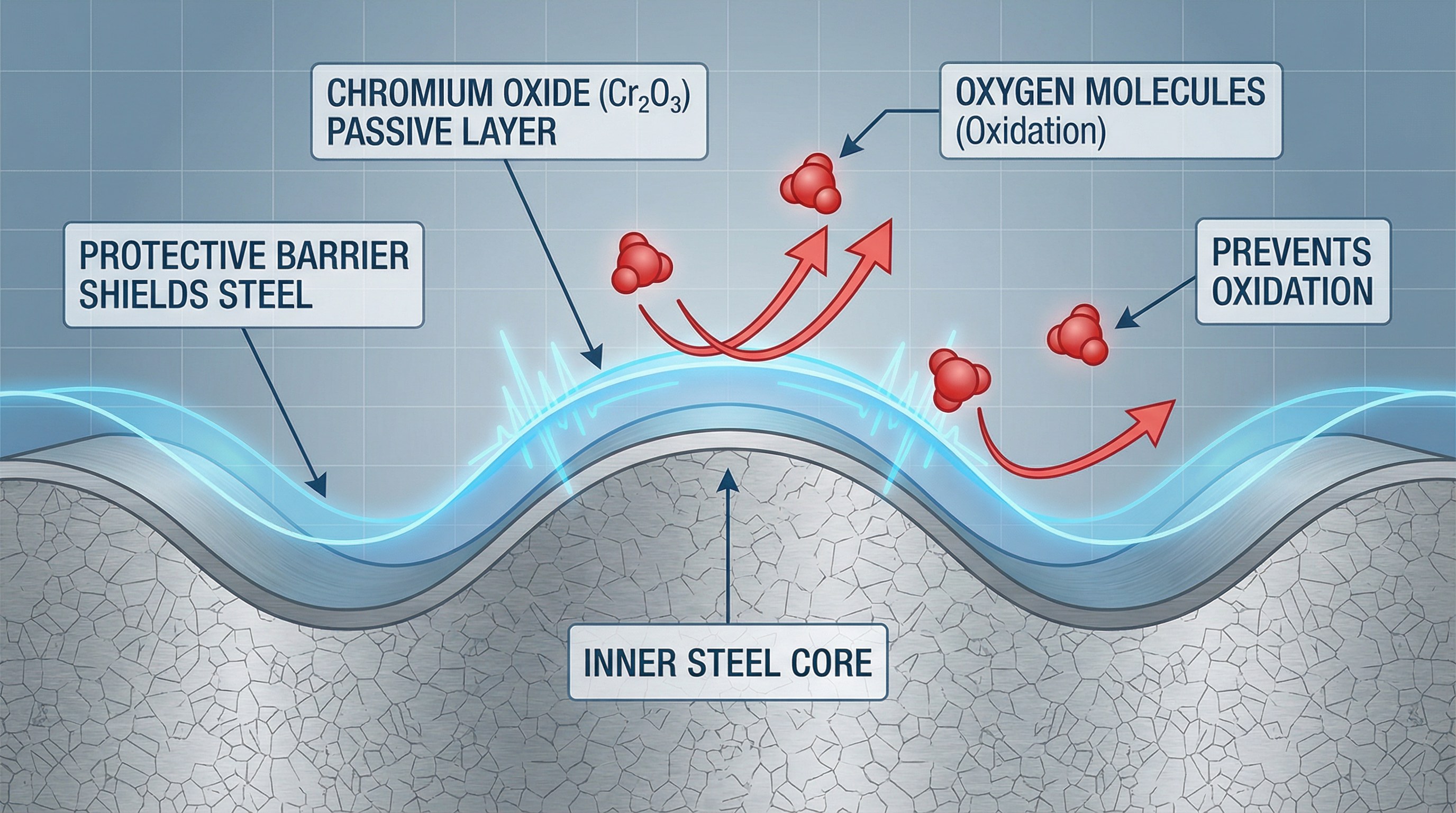
People often worry about rust when they wear jewelry in high-moisture places. Because humidity is always in the air, you might expect your rings to turn brown or orange. Actually, stainless steel handles moisture very well. Instead of failing, it uses a secret defense. This defense is called a chromium oxide layer. Because this layer is so thin, you cannot see it with your eyes. However, it is the primary reason your favorite pieces stay shiny for years.
Actually, stainless steel is not just one metal. Instead, it is an alloy made of iron and chromium. Because it contains at least 10.5% chromium, it reacts with oxygen in a special way. However, this reaction does not create rust. Instead, it creates a “passive” film on the surface. Actually, this process is known as passivation. Because the film blocks water and air, the iron inside never gets a chance to corrode. Instead of letting the metal rot, the shield keeps it stable. Actually, if you scratch your jewelry, the shield heals itself. Because oxygen is always around us, the chromium reacts again instantly. Instead of staying open to the air, the gap closes back up. However, this only happens if the metal is high quality.
| Feature | 304 Stainless Steel | 316L Stainless Steel (Surgical) | |
|---|---|---|---|
| Chromium Content | 18% | 16-18% | |
| Molybdenum | None | 2-3% (Added for durability) | |
| Rust Resistance | High | Exceptional | |
| Common Use | Kitchenware, Sinks | Medical implants, High-end jewelry |
Breaking the Shield: When Does Rust Actually Happen?
Seeing dark spots on your jewelry after a beach trip is a total headache. Because you love that piece, you feel frustrated. However, real Corrosion is very rare for high-quality items. Actually, what you see is often just surface grime. Instead of the metal rotting, dirt and oils have stuck to the finish. Because salt and sand are abrasive, they trap these contaminants easily. However, you can fix this if you act fast.
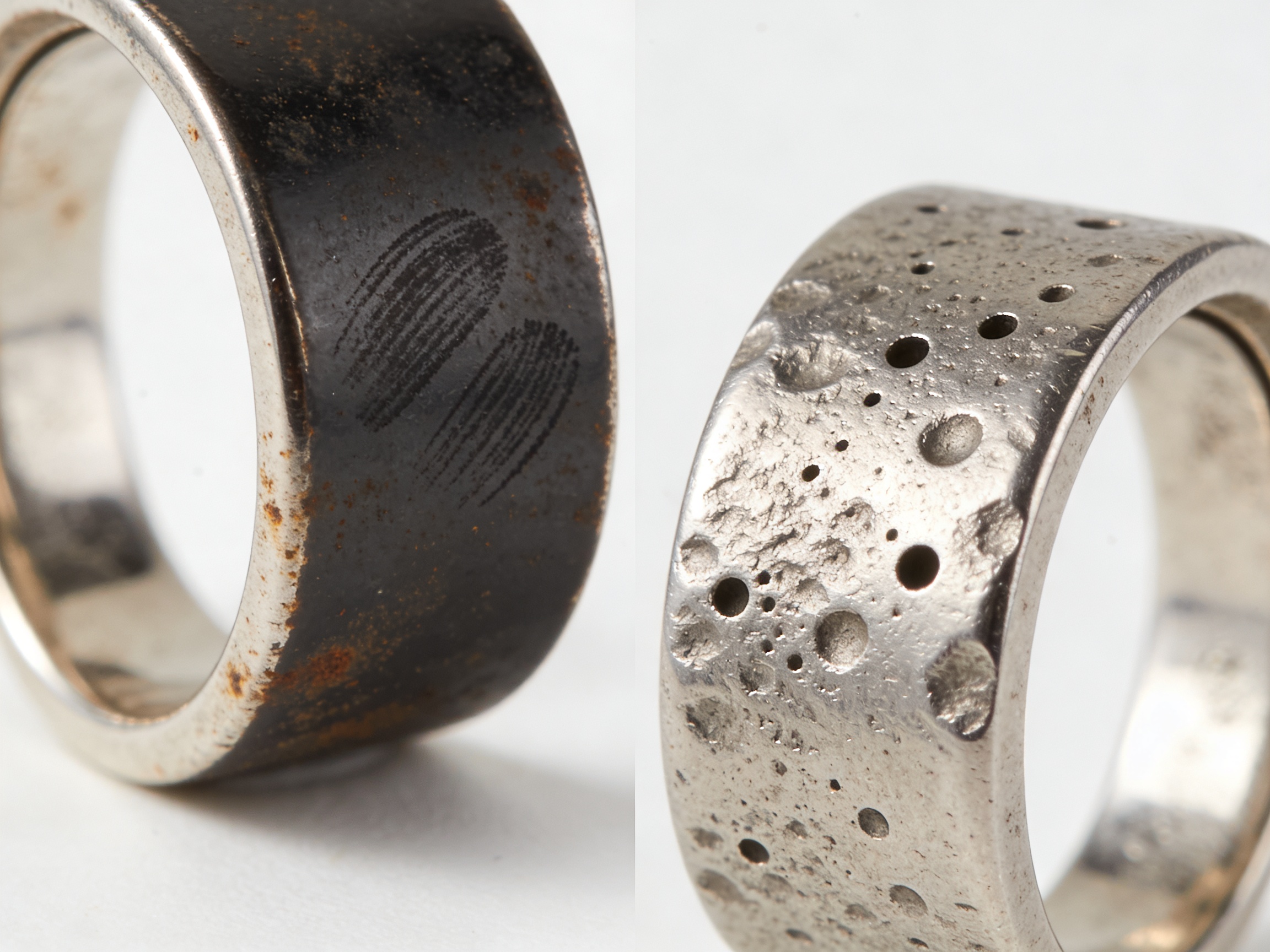
Sometimes the protective shield does break down. Because ocean water contains chloride ions, it can attack the metal. Actually, this leads to something called pitting. Instead of a flat layer of rust, tiny holes form in the steel. However, 316L steel resists this better than almost any other metal. Because the molybdenum in 316L fights chlorides, it keeps the surface smooth. Actually, most “rust spots” are just iron particles from the environment sticking to the surface. Instead of panicking, try to identify the problem using this guide:
Instead of waiting for damage, use a 30-second wipe-down routine. Because salt and sweat dry on the surface, they trap moisture against the metal. Instead of leaving them there, rinse your jewelry in fresh water after every swim. Actually, a quick dry with a microfiber cloth works wonders. Because you remove the salt, the pitting process never starts. However, you must dry the piece completely. Instead of putting it away wet, let it air out. Actually, moisture in a closed box is a major enemy of metal.
Stainless Steel vs. Other Metals: A Durability Showdown
You likely know the frustration of buying a beautiful ring that turns your finger green. Many people purchase affordable pieces only to see them fail within weeks. Because you want value for your money, understanding Stainless Steel alloys is very helpful. Actually, the market offers many choices like sterling silver, brass, and gold plating. However, most of these metals cannot match the durability of a high-quality steel alloy.
We must look at how these metals react to the world around them. Sterling silver contains 92.5% pure silver and 7.5% copper. Because copper reacts with sulfur in the air, silver develops a dark layer of tarnish. You then have to spend time polishing it to restore the shine. Instead, 316L stainless steel uses a hidden “superpower” called the chromium oxide layer. This invisible film blocks oxygen from reaching the iron. Furthermore, it heals itself if the surface gets a light scratch. Actually, this process prevents the deep oxidation that ruins other accessories.
Because not all steel is the same, you must know what to buy. Instead of settling for basic alloys, look for 316L. Actually, experts call this “Marine Grade” steel. Because it contains molybdenum, it resists salt much better than other types. Instead of guessing, check the product details for the “316L” mark. However, many fashion pieces do not have stamps. Instead, you should buy from brands that explain their materials clearly. Because 316L is used in medical implants, it is also hypoallergenic. Actually, this makes it perfect for sensitive skin.
| Metal Type | Rust Risk | Skin Safe? | Care Level | |
|---|---|---|---|---|
| 316L Steel | Extreme Low | Yes | Very Low | |
| Silver | Tarnish | Yes | High | |
| Brass | High | No | High | |
| Zinc Alloy | High | No | Moderate |
Actually, you can save a lot of money by choosing the right metal first. Instead of replacing cheap rings every month, one steel piece can last a lifetime. Furthermore, we find that steel holds its shape better than soft silver. Because steel is harder, it does not bend or warp during daily tasks. However, you must ensure you are buying real 316L surgical grade metal.
Because you want accessories that stand the test of time, explore our high-quality, 316L stainless steel jewelry collection designed for ultimate durability and shine.
Waterproofing Realities: Showering, Swimming, and Sweat
Do you feel the need to strip off your jewelry every time you wash your hands? Most people fear that one splash of water will trigger a wave of rust. Because life is busy, you often forget to remove your necklaces before a workout. Actually, this is a common challenge for anyone with an active lifestyle. However, the good news is that high-quality steel is built for these exact moments.
Technically, we call 316L steel “marine-grade” for a reason. Because it contains molybdenum, it handles harsh environments better than standard 304 steel. This specific element creates a shield against chloride ions. Furthermore, these ions are found in both the ocean and the local swimming pool. Instead of pitting or bubbling, the metal stays smooth and bright. Actually, sweat is also quite acidic. Because your body releases salts and oils, most metals will fade or green. However, 316L steel stays neutral against your skin.
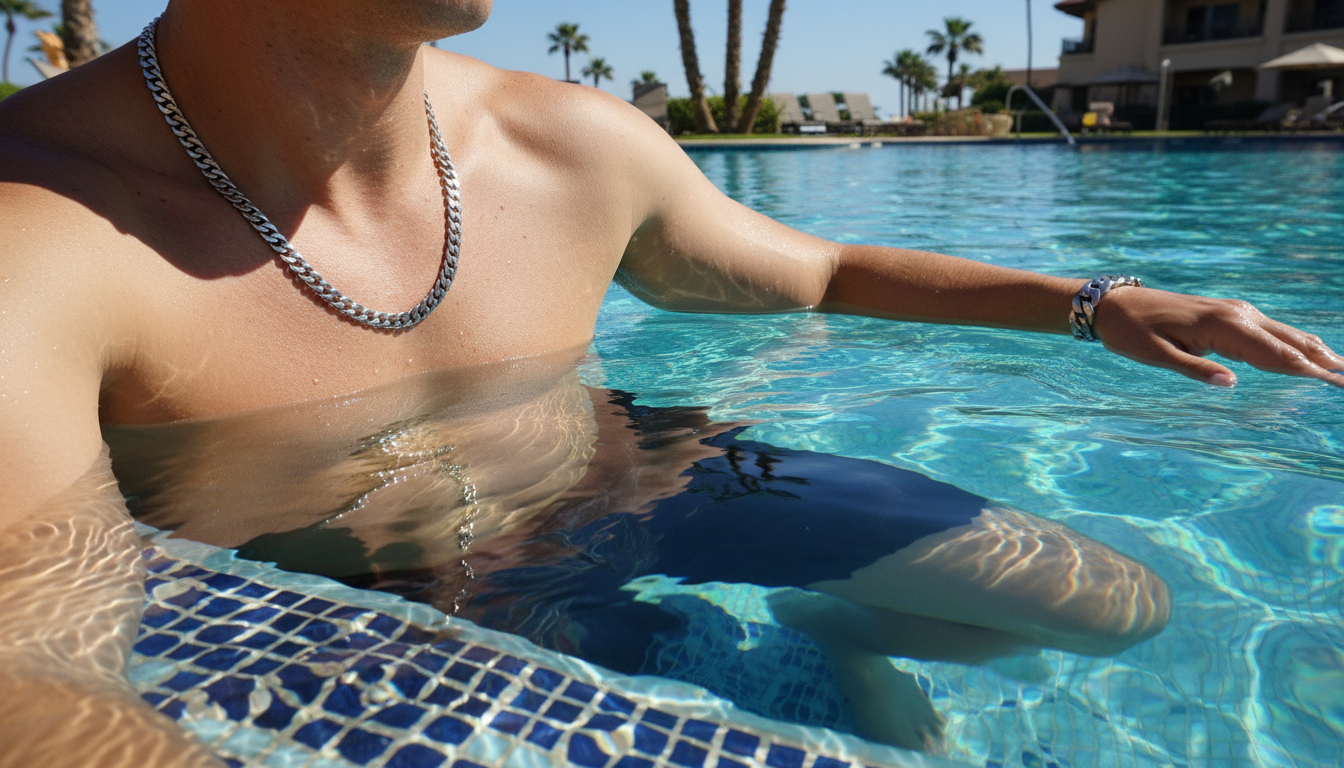
Actually, showering with your jewelry can be a good thing. Because mild soap and water help wash away daily dirt, it keeps the piece clean. Furthermore, you avoid the risk of losing your rings by leaving them on a sink ledge. Instead of worrying about rust, you can focus on your day. However, you must be careful with hot tubs. Because these use very high levels of chlorine and heat, they can eventually stress the metal. Actually, even the best steel needs a quick rinse with fresh water after a dip in the sea.
Choosing the Right Grade: 304 vs. 316L
You often struggle to choose the best metal for your daily wear. You might see a beautiful necklace online and wonder about its quality. However, the wrong choice lead to skin greening or surface rust within months. Many buyers assume all steel is the same. Instead, you must distinguish between common grades like 304 and 316L. I have seen many people waste money on pieces that fail in humid weather. You deserve jewelry that survives your lifestyle.
Grade 304 stainless steel contains 18% chromium and 8% nickel. It offers good strength and resists basic moisture well. Actually, manufacturers use it for kitchen sinks because it handles water safely. However, 304 lacks a specific element called Molybdenum. This missing piece makes 304 vulnerable to saltwater and chlorine. Therefore, you should avoid 304 if you live near the ocean. Salt ions can eventually break through the 304 surface and cause tiny pits.
Grade 316L is the gold standard for high-end accessories. We call it Surgical Stainless Steel because surgeons use it for implants. Furthermore, the “L” stands for low carbon content. This low carbon prevents the metal from becoming brittle during the making process. Consequently, 316L lasts much longer than 304. It stays bright even when you sweat at the gym. Because it contains 2% to 3% Molybdenum, it resists salt much better than other grades. Actually, I always suggest 316L for people with very sensitive skin.
| Grade | Molybdenum | Environment | Skin Safety | |
|---|---|---|---|---|
| 304 | 0% | Dry/Indoor | Good | |
| 316L | 2-3% | Salt/Water | Best |
Maintenance Secrets: Keeping the Shine Without the Stress
You want your jewelry to stay bright without spending hours on care. Instead, you notice a dull film on your favorite bracelet after a busy month. Actually, dust, sweat, and body oils trap grime on the metal surface. This buildup hides the natural luster of the steel. You might feel worried that the metal is changing color. However, stainless steel does not tarnish like silver. You simply need to remove the surface contaminants to restore the glow.
Dirt particles can block oxygen from reaching the metal. This oxygen is needed to maintain the chromium oxide layer. Furthermore, the layer is a self-healing shield that stops rust. If you let grime sit for months, the shield might weaken in those spots. Therefore, regular washing is the best way to prevent damage. We recommend a quick cleaning every two weeks for pieces you wear daily.
Actually, the best cleaning method is simple and cheap. You only need warm water and mild dish soap. First, fill a small bowl with the warm soapy water. Submerge your jewelry for five to ten minutes. This soak loosens the oils trapped in the chain links. Furthermore, use a soft toothbrush to gently scrub the details. Instead of harsh chemicals, use a microfiber cloth to dry the piece. Because water spots can look like stains, you must dry the metal thoroughly.
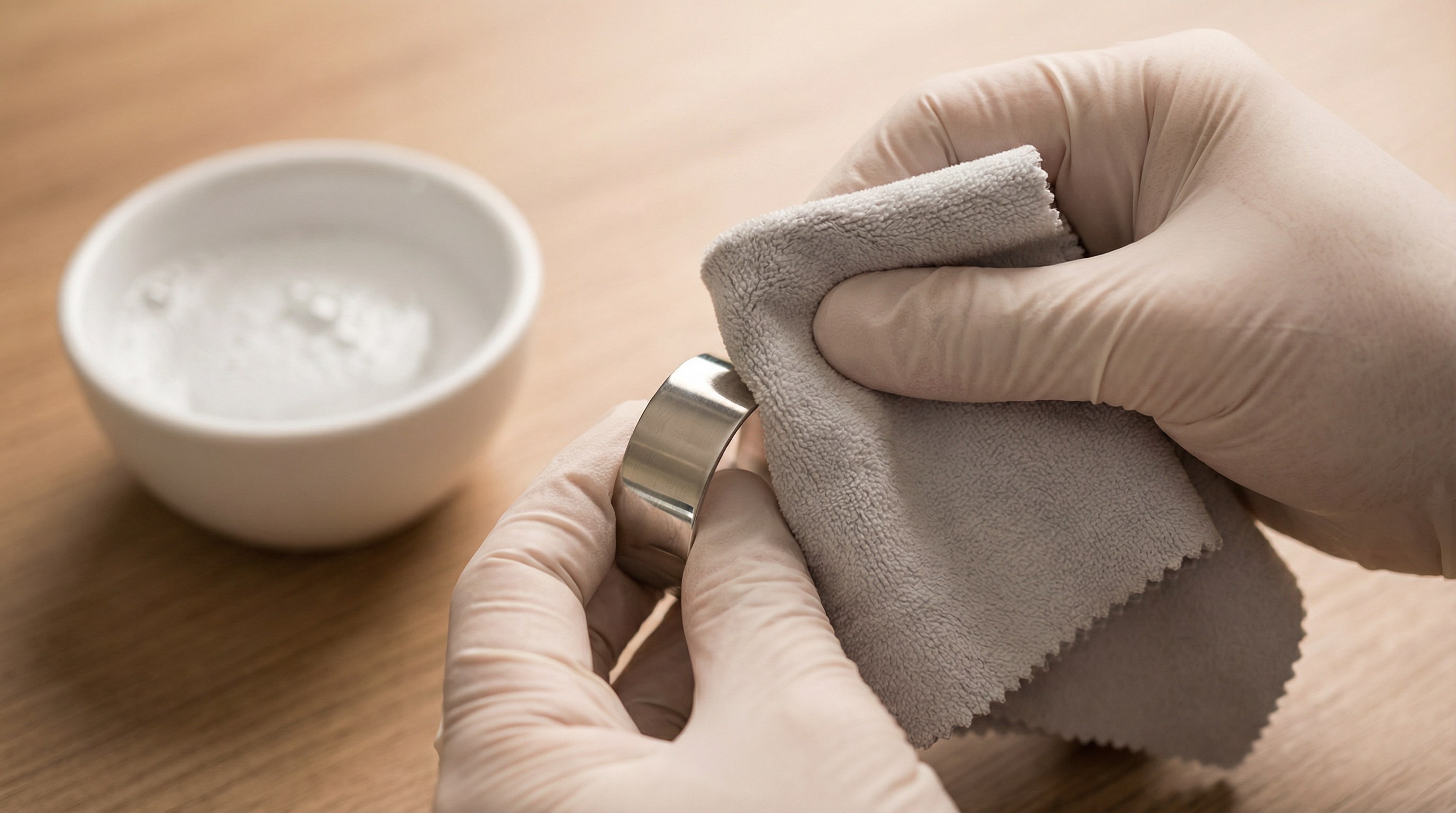
Consequently, your pieces will look brand new after every wash. You do not need expensive machines or toxic dips. Therefore, you save money while protecting your collection. Actually, a microfiber cloth is better than a paper towel. Paper towels can leave tiny lint fibers behind. Furthermore, microfiber polishes the steel to a mirror finish.
Troubleshooting: Is That Rust or Just Dirt?
Have you ever noticed a dark or reddish spot on your favorite steel bracelet and panicked? Before you assume the worst, you must understand that stainless steel rarely actually “rusts” in the way scrap metal does. Most of the time, what you see is just surface grime.
Distinguishing surface dirt from actual corrosion is the first step to saving your jewelry. Surface grime is usually a buildup of dead skin cells, hard water minerals, or lotion residue. It sits on top of the metal. In contrast, pitting is structural. It looks like tiny craters or holes eaten into the surface. While grime can be wiped away, pitting means the protective chromium oxide layer has actually failed due to harsh chemicals or extreme saltwater exposure.
If you aren’t sure what you’re looking at, try the “Lemon Juice” Test. Apply a small amount of lemon juice or a paste made of baking soda and water to the spot. Let it sit for five minutes, then gently scrub with a soft toothbrush. If the spot disappears, it was simply oxidation or external dirt. If the mark remains and feels rough to the touch, you may be dealing with actual corrosion.
Expert Tip: Identifying ‘Tea Staining’Sometimes, stainless steel develops a light brown, “tea-colored” tint. This is known as tea staining. It isn’t deep rust, but it happens when salt air dries on the surface. You can usually fix this with a quick rinse in fresh water and a microfiber polish.
Because you want to stay safe, watch out for pool chemicals. Actually, chlorine is very harsh. Instead of just tarnishing the surface, it eats the protective chromium oxide layer. Because pool chemicals are concentrated, they are often worse than the ocean. However, if you forget to take your rings off, just rinse them immediately after. Instead of ignoring the chemicals, wash them away with clear water. Actually, most jewelry stays perfect if you just keep it clean. Because you are a smart owner, your jewelry will stay bright forever.
Final Thoughts: Why Quality Wins
In a world of fast fashion, the temptation to buy cheap “fashion jewelry” is everywhere. However, these pieces are often made of zinc alloys or mystery metals. They might look good for a week, but they quickly peel, turn your skin green, or snap under pressure. This creates a cycle of waste that costs you more money over time.
Choosing 316L stainless steel is a smart investment in a sustainable jewelry wardrobe. Because it resists rust, scratches, and tarnishing, a single high-quality chain can last a lifetime. You aren’t just buying an accessory; you are buying material integrity that stands up to sweat, showers, and the ocean. Actually, 316L looks nearly identical to white gold but costs much less.
Ready to upgrade your style with pieces that never fade? Explore our premium, tarnish-proof Stainless Steel Jewelry Collection and find your next forever favorite today.
FAQ: Everything You Need to Know
Can I wear stainless steel in the ocean?Yes, but you should choose 316L grade steel. This “marine-grade” metal contains molybdenum, which specifically protects against the corrosive power of salt. After your swim, always rinse your jewelry in fresh water to remove salt crystals.
Why did my stainless steel ring turn my finger green?True stainless steel will never turn your finger green. If this happens, your jewelry is likely a cheap base metal (like copper or brass) that was only plated to look like steel. When the plating wears off, your skin’s pH reacts with the copper to create that green stain.
Is stainless steel better than sterling silver?It depends on your lifestyle! Sterling silver is a precious metal, but it tarnishes quickly and is very soft. Stainless steel is much harder, more affordable, and effectively industrial-strength. For daily wear or active lifestyles, steel is the superior choice.
How often should I polish my jewelry?You don’t need to polish stainless steel nearly as often as silver. A quick wipe with a microfiber cloth once a week is enough to maintain its luster. For deep cleans, use mild dish soap and warm water every few months.
Does surgical steel rust?Surgical steel is a marketing term for high-quality stainless steel like 316L. While it is incredibly resistant to rust, it is not “rust-proof” in extreme environments. If you expose it to bleach or concentrated acids without rinsing, even surgical steel can eventually corrode.
How do I identify real 316L?Always look for the “316L” hallmark stamped inside rings or on necklace clasps. This mark guarantees you are buying marine-grade steel. Furthermore, avoid any seller who cannot name the specific steel grade they use. Because “mystery metals” often contain lead or high nickel, they can harm your skin.
Can I use an ultrasonic cleaner?Actually, stainless steel is very durable and safe for ultrasonic cleaners. However, if your piece has glued-in gemstones, the vibrations might loosen them. Instead, stick to manual cleaning for intricate gemstone pieces.
What is the lifespan of stainless steel jewelry?Because the metal is a solid alloy and highly scratch-resistant, it can literally last decades. Instead of fading like gold vermeil, the color is consistent throughout the metal. This makes it one of the most sustainable choices in modern fashion.